Antifreeze that still does its job.
Coolant does more than stop a freeze: it fights corrosion and carries heat away from your engine. When it wears out, it quietly starts eating the system from the inside.
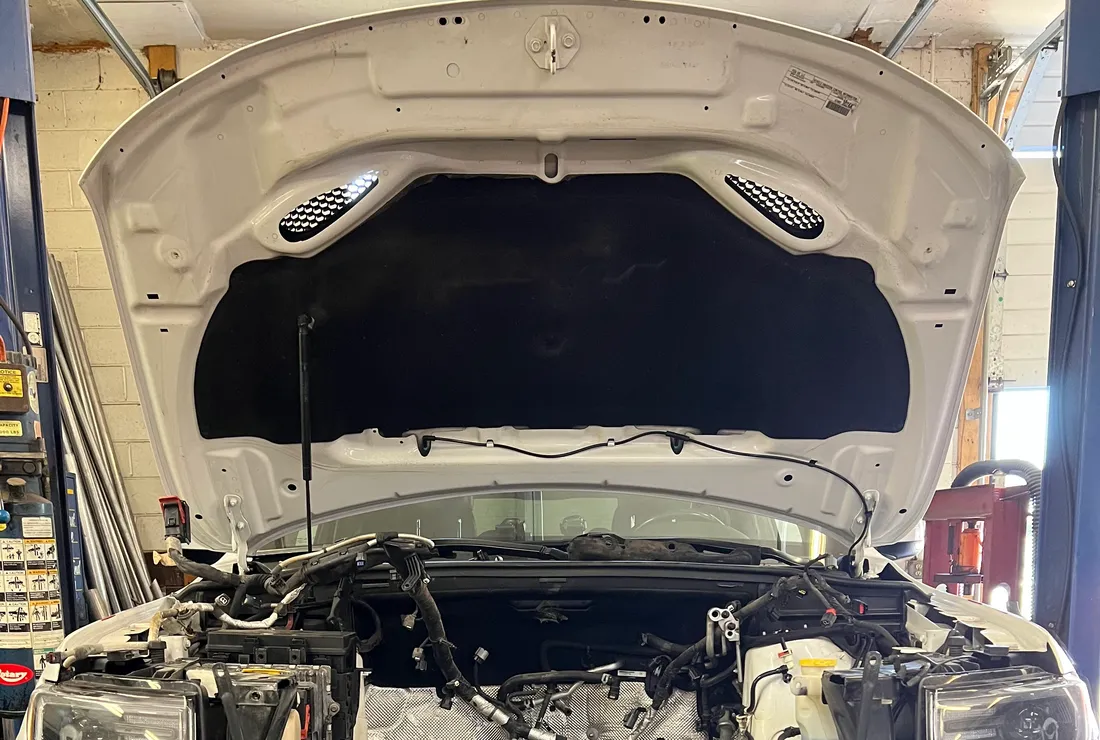
Antifreeze is not just for winter. Year-round it keeps your engine from overheating, keeps the cooling system from freezing in an Ohio cold snap, and carries rust-fighting additives that protect the radiator, water pump, and heater core. Those additives wear out over time, and old coolant turns acidic and starts corroding the very parts it is supposed to protect.
A coolant flush replaces the worn-out fluid with fresh antifreeze in the correct type and mix for your vehicle. We check the system for leaks, test the strength and condition of your coolant, and make sure your heater will keep you warm when the temperature drops.
Using the right coolant matters. Mixing incompatible types can turn coolant to sludge and clog the system. We match the exact specification your vehicle calls for, so you get the protection you paid for.
Part of our Repair & Maintenance work. See everything we do in oil & fluids.
What we do
- Coolant flush and fresh antifreeze fill
- Correct coolant type and mixture for your vehicle
- Cooling system pressure and leak check
- Coolant strength and condition test
- Inspection of hoses, cap, and radiator
- Heater output check for winter
Signs you need this
- The coolant looks rusty, brown, or cloudy
- The temperature gauge runs hotter than normal
- Sweet-smelling steam or coolant spots under the car
- It has been several years or 60,000+ miles since the last flush
Parts we service & replace
- Engine coolant / antifreeze
- Radiator cap
- Thermostat and thermostat gasket
- Upper and lower radiator hoses
- Heater hoses and bypass hoses
- Hose clamps
- Coolant reservoir / overflow tank
- Radiator drain petcock
Coolant / Antifreeze Flush, answered.
The questions we hear most about coolant / antifreeze flush in Cortland and Trumbull County.
- How often should I flush my coolant?
- Most vehicles call for a coolant flush every 30,000 to 60,000 miles, or every few years, though some long-life coolants go further. The exact interval depends on your coolant type. We will check your manufacturer's schedule and test the fluid's condition.
- What are the signs my coolant needs changing?
- Rusty, brown, or cloudy coolant, a temperature gauge that runs hot, or a heater that is not putting out much warmth are all signs. Healthy coolant is bright and clear. If yours looks dirty or it has been years, it is time.
- What is the difference between a coolant flush and a drain-and-fill?
- A drain-and-fill replaces the coolant that comes out of the radiator; a flush circulates fluid to remove more of the old coolant and any sediment from the whole system. For neglected or dirty systems, a flush does a more thorough job. We will recommend what fits your situation.
- Can I just add coolant instead of flushing it?
- Topping off is fine for a temporary low level, but it does not restore the worn-out additives or remove the acidic, corroded old fluid. If your coolant is old or dirty, adding more just dilutes the problem. A flush actually fixes it.
- What happens if I never change my coolant?
- Old coolant turns acidic and corrosive, attacking the radiator, water pump, heater core, and gaskets from the inside. That can lead to leaks, overheating, and expensive repairs. A flush is far cheaper than a water pump or radiator.
- Why does coolant type matter?
- Different vehicles use different coolant chemistries, and mixing incompatible types can form sludge that clogs the cooling system. Using the wrong coolant can cause real damage. We always use the exact type your manufacturer specifies.
- How much does a coolant flush cost?
- It depends on your system's capacity and the coolant type your vehicle requires, since some long-life coolants cost more. We give you the price up front. It is inexpensive next to the cooling-system repairs it prevents.
- Will a coolant flush fix my overheating?
- If the overheating is from old, weak coolant or light sediment, a flush can help. But overheating can also come from a bad thermostat, water pump, radiator, or a head gasket. We will diagnose the actual cause rather than assume a flush is the fix.
- Is coolant the same as antifreeze?
- They are the same fluid: "antifreeze" is the concentrate, and "coolant" usually refers to it mixed with water at the proper ratio. The mixture both lowers the freezing point and raises the boiling point, which is why it protects your engine year-round.
- Does a coolant flush help my heater work better?
- It can. Your heater pulls warmth from the engine coolant through the heater core, and old, sediment-filled coolant can clog that core and weaken your heat. Fresh coolant and a clean system help keep the cabin warm in winter.
Coolant / Antifreeze Flush for Cortland and all of Trumbull County, on State Route 5.
Cortland · Warren · Niles · Howland · Brookfield · Vienna · Champion · Lordstown · Bazetta · Bristolville · Mecca · Hartford · Farmington · Southington · Newton Falls · Leavittsburg · Mineral Ridge · Girard · Hubbard
Ready to get it handled?
Book online in a minute, or call and we will pick up. Walk-ins welcome too.