Brakes you can trust, on a quote you can read.
Your brakes are the one system you never want to guess about. Drop it off and we pull a wheel, check the pads and rotors, and call you with the price in writing. The work starts on your go-ahead.
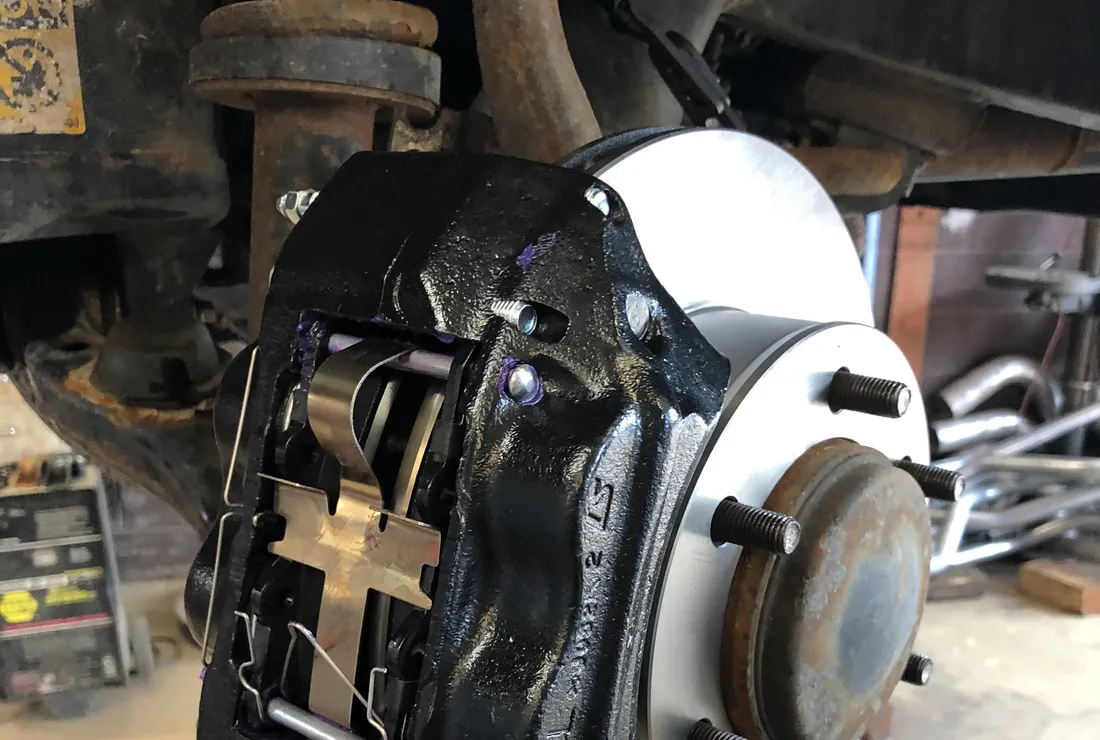
Brakes wear a little every time you drive, so most of us do not notice the change until something starts to squeal, grind, or feel soft underfoot. By then it helps to have someone who will tell you the real condition instead of just handing you a bill. At Super Tire & Muffler in Cortland, OH, that is how every brake job starts: we put the vehicle on the lift, take a wheel off, and check the pad thickness, the rotor surface, and the calipers.
We work on the whole brake system, not just the pads. That means rotors and drums, calipers and wheel cylinders, the brake lines and rubber hoses that carry the fluid, and the master cylinder that ties it all together. Whatever is actually worn or leaking is what we recommend: no padding the list, no parts you do not need.
We call you with a straight rundown of what we found and a written estimate, and the work waits for your approval. We have been doing brakes for Cortland and Trumbull County drivers since 1980, on every make and model that rolls in, domestic or import, from small cars up through light and medium trucks and vans.
Part of our Repair & Maintenance work. See everything we do in brakes & suspension.
What we do
- Full brake inspection with a wheel pulled to check pad and rotor condition
- Front and rear brake pad and shoe replacement
- Rotor and drum resurfacing or replacement when they are out of spec
- Caliper and wheel cylinder service or replacement
- Brake line and rubber hose inspection for leaks, cracks, and corrosion
- Master cylinder testing and replacement
- Brake fluid top-off, and a flush when the fluid is dirty or moisture-laden
- Road test afterward to confirm a firm pedal and straight, quiet stops
Signs you need this
- A high-pitched squeal or squeak when you brake
- A grinding or metal-on-metal sound when you stop
- A soft, spongy, or sinking brake pedal
- The car pulling to one side when you brake
- A pulsing or shuddering pedal under your foot
- A brake or ABS warning light on the dash
Parts we service & replace
- Brake pads
- Brake shoes
- Rotors and drums
- Calipers
- Wheel cylinders
- Brake hardware kits
- Brake hoses and lines
- Parking brake cables
- Master cylinder
- Brake fluid
Squeal, grind, soft, or pull: what each one usually means
A squeal is often the built-in wear indicator doing its job, a little metal tab that scrapes the rotor to tell you the pads are getting thin. Caught at the squeal stage, a brake job is usually just pads and maybe a rotor cleanup.
A grind is the warning you do not want to ignore. Metal-on-metal usually means the pad material is gone and the backing plate is cutting into the rotor, which can turn a pad job into pads and rotors. A soft or sinking pedal points at the hydraulics: air in the lines, low or old fluid, a leaking hose, or a tired master cylinder. A pull to one side or a shudder through the pedal usually means a sticking caliper or a warped rotor. We test for each of these instead of guessing, so you only pay for what is actually wrong.
Brake Repair (Pads, Rotors & Calipers), answered.
The questions we hear most about brake repair (pads, rotors & calipers) in Cortland and Trumbull County.
- How do I know if I need new brakes?
- The common tells are a squeal or grind when you stop, a pedal that feels soft or sinks toward the floor, the car pulling to one side, or a dash warning light. If you are not sure, we will pull a wheel, measure the pad thickness and rotor surface, and call you with where they stand, so you can decide based on real numbers, not just a sound.
- How long do brake pads last?
- Most pads last somewhere between 30,000 and 70,000 miles, but it depends heavily on how and where you drive. Stop-and-go driving around Warren and Niles wears pads faster than steady highway miles, and front pads usually wear out before the rears. The only sure way to know is to measure them, which we do at every inspection.
- Do I need to replace my rotors when I get new pads?
- Not always. If the rotors are still within the manufacturer spec and the surface is smooth, we can often resurface them or leave them alone and just install pads. If they are too thin, warped, or scored, we will tell you the measurement and explain why they need to come off. We do not replace rotors as a default just to add to the ticket.
- Why are my brakes squealing?
- A steady squeal is most often the wear indicator telling you the pads are getting low, which is its whole purpose. It can also come from dust, glazed pads, or moisture sitting on the rotors overnight. If the squeal is constant or has turned into a grind, it is worth getting it looked at before the pads run out completely.
- What does it mean when my brakes grind?
- Grinding usually means the pad material has worn away and metal is now contacting metal, which can damage the rotors quickly. It can also be a stuck caliper or debris caught in the brake. Either way it is the point where waiting tends to make the repair bigger, so it is worth bringing in soon.
- Why is my brake pedal soft or going to the floor?
- A soft or sinking pedal almost always points at the hydraulic side: air in the lines, low or contaminated brake fluid, a leaking hose or line, or a failing master cylinder. This is not something to drive on, since it directly affects how well the brakes can stop the car. Have it checked right away, and we will pressure-test the system to find the source.
- Is it safe to drive with worn brakes?
- Squealing pads with some life left are usually fine for a short while, but grinding, a soft pedal, or pulling are signs you should not put off. Worn brakes lengthen your stopping distance and can fail when you need them most. If you are unsure how far gone yours are, call us at (330) 638-7600 and we will get you in for a look.
- How much does brake repair cost?
- It depends on your vehicle and on what is actually worn: pads alone, pads and rotors, a caliper, or hydraulic work all price differently. We do not quote brakes sight unseen. We inspect the system, call you with what needs doing, and back it with a written estimate. The work starts on your approval, so there are no surprises.
- How long does a brake job take?
- A straightforward front or rear pad-and-rotor job is often done within a couple of hours, depending on the vehicle and parts on hand. Caliper, hose, or master cylinder work can take longer. We will give you a realistic time along with the estimate, and walk-ins are welcome though an appointment cuts your wait.
- Do you do brakes on all makes and models?
- Yes. As a NAPA Auto Care Center we service brakes on domestic and import vehicles, from passenger cars and SUVs through light and medium trucks and vans. Whatever you drive around Cortland and Trumbull County, we can inspect it and quote the repair.
Brake Repair (Pads, Rotors & Calipers) for Cortland and all of Trumbull County, on State Route 5.
Cortland · Warren · Niles · Howland · Brookfield · Vienna · Champion · Lordstown · Bazetta · Bristolville · Mecca · Hartford · Farmington · Southington · Newton Falls · Leavittsburg · Mineral Ridge · Girard · Hubbard
Ready to get it handled?
Book online in a minute, or call and we will pick up. Walk-ins welcome too.